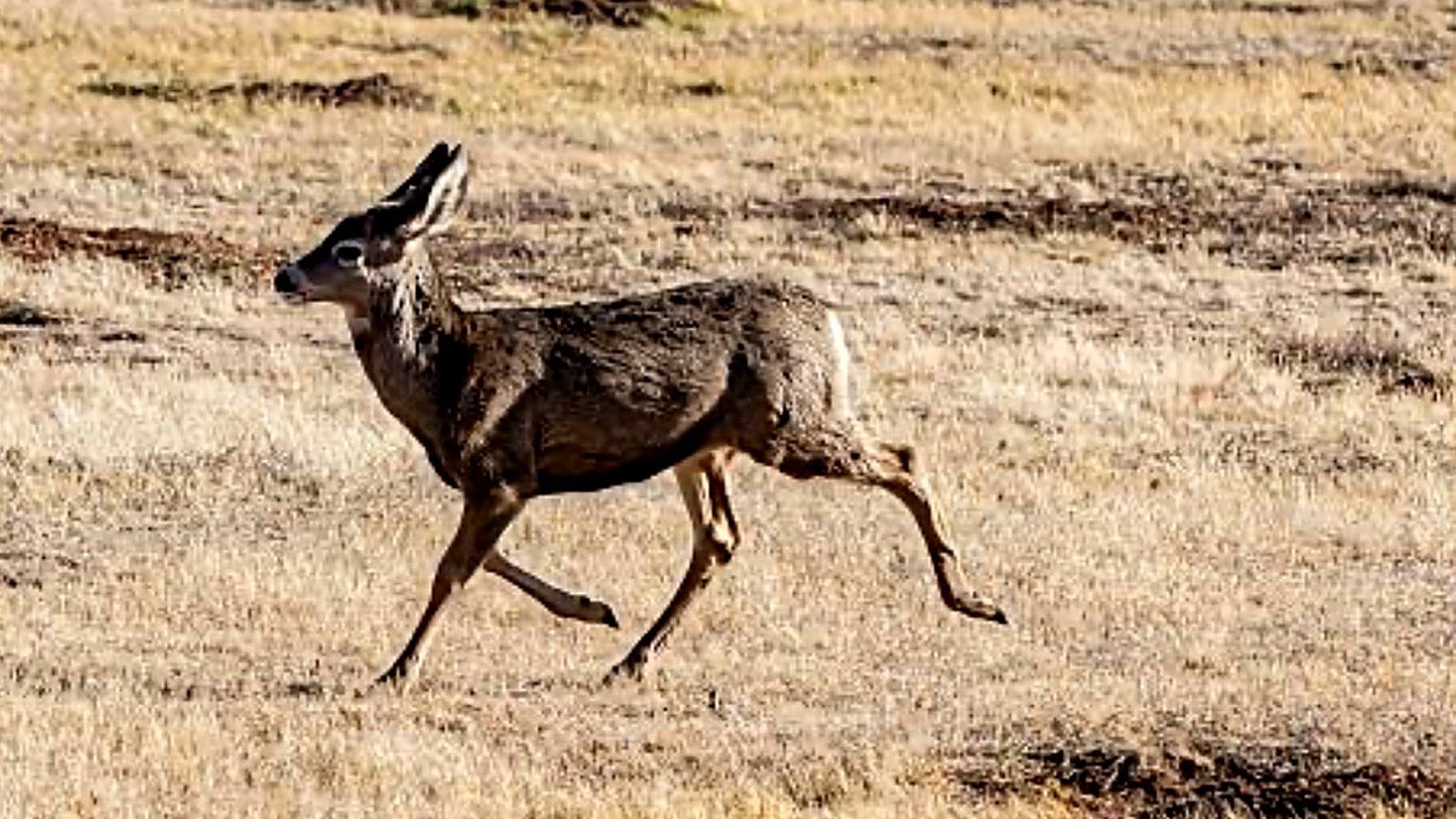
Watch a wild animal in the moments after it escapes. The deer that outran the danger, the rabbit that froze and was passed over. Once the threat has gone, it does something we have forgotten how to do. It shakes. Its whole body trembles, sometimes for a full minute, the terror moving visibly through it. And then the shaking stops, and it lifts its head, and it walks back to the others and grazes as though nothing ever happened. The fear moved through. It did not stay.
We are animals too. Two-legged ones who forgot.
The wild does not carry its fear
Here is what the animals know in their bodies that we have been trained out of. Fear is not meant to be held. It is meant to move.
When something frightening happens, the body floods with energy to fight or to run. If we can do neither, that energy has nowhere to go, so it locks into the fascia. In the wild, the animal discharges this the instant the danger passes, through shaking, through trembling, through a great shuddering release, and the nervous system finishes its cycle and returns to rest.
We do the opposite. We are taught to hold still, to stay composed, to not make a scene. We paint on a smile and carry on. So the energy that was meant to shake its way out of us stays, humming under the surface, and over the years it becomes the tight shoulders, the clenched belly, the anxiety with no name, the numbness, the being wired and exhausted at the very same time. Not because something is wrong with us. Because we never got to shake.
We were never meant to heal alone
There is a second thing the animals know, and it matters just as much.
In some species, when one of them has been frightened or hurt, the others gather. They do not fix it. They do not rush it. They come close and simply witness while it trembles and moves and comes back to itself. The shaking happens inside a circle of safety.
We need that too. So much of what keeps our fear stuck is that it happened alone, or with our abuser, and then we were shamed for showing it. The body will not release what it does not feel safe to release. This is why healing so often begins the moment someone finally sits with you, steady and unafraid of your trembling, and lets you come apart without trying to put you back together. Being witnessed is not a small thing. For a nervous system, it is everything.
How to let your body shake it off
The next time you feel that trapped, buzzing energy, the aftermath of a fright, a hard conversation, an almost car accident, try this. Stand with your knees soft. Let your body tremble on purpose, a small shaking in the legs, the hands, the shoulders, and let it grow if it wants to. Make sound if sound comes. Let it be as big or as small as it needs to be. You are not falling apart. You are finishing something your body started long ago and was never allowed to complete.
And if you can, do it near someone safe, or picture the herd around you, the ones who love you, steady and close, letting you shake. Then, like the animal, come back to rest, and notice the quiet on the other side of the release. That quiet is your nervous system remembering it is safe.
You are an animal too
We are not so far from the wild as we like to believe. We are creatures of the same ancient wiring, meant to move our fear through us and return, again and again, to grazing in the sun.
So the next time the fear comes and your whole instinct is to hold still and stay composed, remember the deer. Let yourself shake. Let yourself be witnessed. And then let yourself walk on, lighter, the way the wild always has.
A gentle first step
If your body has been holding a fear it never got to shake off, you do not have to find your way back to rest alone.
You can book a free discovery call, twenty unhurried minutes, no pressure and nothing to sell. Just space to be witnessed while your body remembers how to let go.
A gentle note: I am a somatic and energy practitioner, not a licensed therapist. This work walks alongside healing and is not a replacement for therapy or medical care. If you are carrying the weight of real trauma, please reach out to a licensed trauma professional. Many of the people I sit with do both, and that is a good and beautiful thing.