When we lose someone we love, sometimes we see it coming. We become the caretaker. We watch someone we love grow thin and slow, we sit at the bedside, we learn the particular grief of loving a person through their decline. And sometimes there is no warning at all. The phone rings, saying one of the people you loved most died suddenly in a car accident. The world you were standing in is simply gone.
Mine arrived without warning.
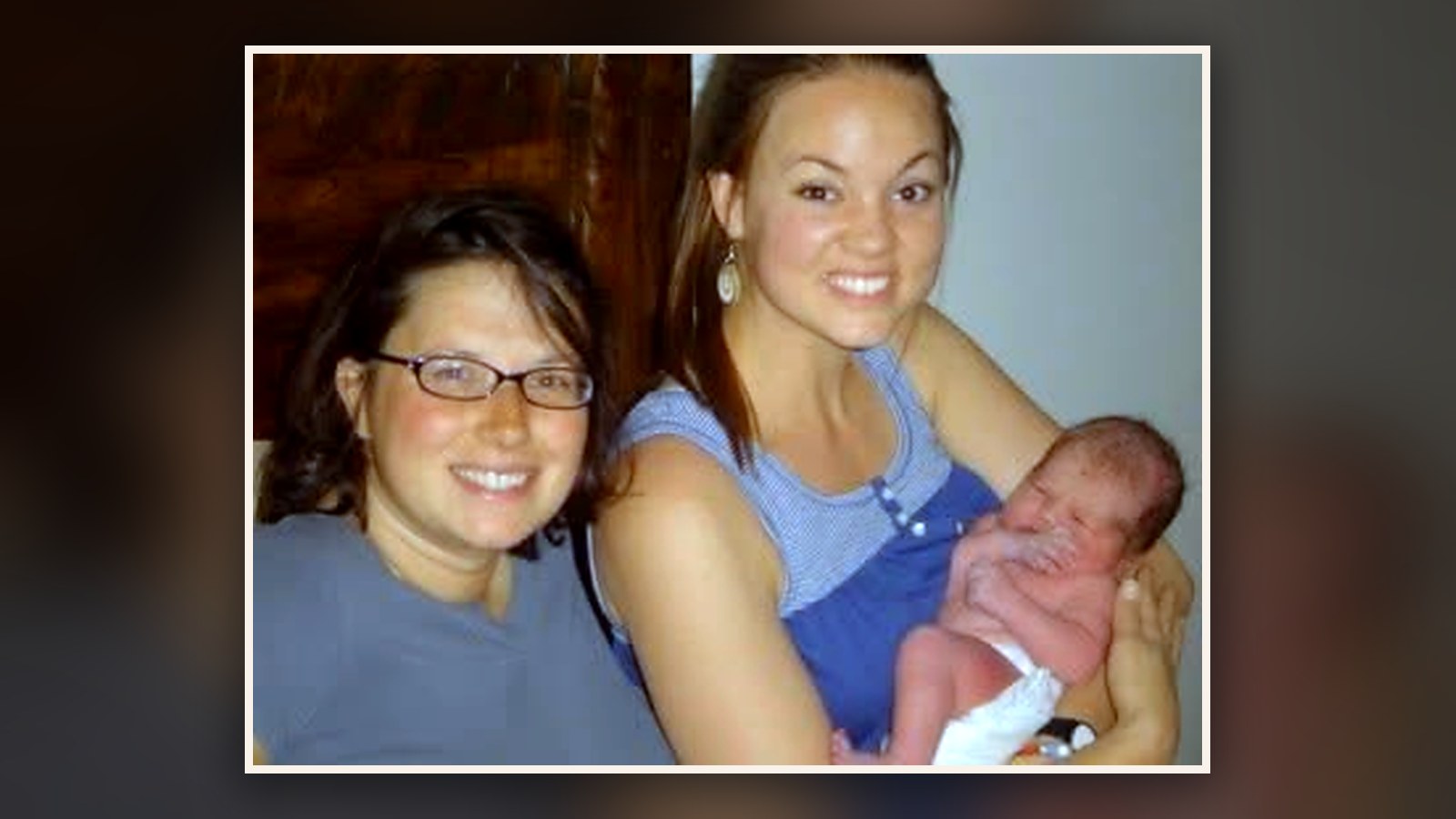
My beloved friend Briana was the midwife who caught both of my babies. What began as friendship had long since melted into family, and from that place we had become something rarer still, two women keeping the threshold together, she as midwife and I training at her side, holding other women as they crossed into motherhood. We had dreams stacked up like firewood. I was a few months from carrying my third baby, a baby she was meant to be the midwife for. And then she died, suddenly, in a car accident, and every one of those dreams was still standing broken and raw, in the room with nowhere to go.
What I want to tell you is the thing no one told me. Grief did not stay in my mind where I could reason with it. It went down into my body, and it lived there.
Grief does not follow the rules we give it
We are taught, quietly, that grief has a ranking. That blood grief is the heavy kind, that losing a grandparent should level you more than losing a friend, as though love ran on a hierarchy and the body kept the same ledger our family trees do.
That was not my experience.
When my grandfather died, I grieved him. But when Briana died, it racked my body in a way that was entirely its own, deeper and wilder than I had any framework to hold. No one had given me permission for that. There is a name the world rarely says out loud, disenfranchised grief, the grief for a bond that others do not rank as highly as your body does. If you have lost a friend, a mentor, a chosen family member, a beloved animal, a pregnancy, and found yourself flattened by grief the world seemed to think you had no right to, hear me. Your body does not consult the hierarchy. It grieves the size of the love.
Where grief lives in the body
Once the first shock began to melt, the rest of it came in. Anger. Denial. The strange abandonment of being the one left behind. Anger even at myself, the endless bargaining of wishing I could somehow have prevented it. All of that is grief, and all of it is normal. But the part almost no one names is where the grief actually went. It moved into my body and it took up residence.
It lived in my head, in the dull relentless headaches of a mind trying to make sense of something that would never make sense.
It lived in my heart and across my shoulders, a weight that settled there whenever I let myself look at the photographs of us, the two of us smiling, dancing, cooking in her kitchen, holding the baby of another birth we did together, living the exact life I had been so certain we would go on living.
And it lived in the most ordinary moments, which is the part that undoes you. You are cutting an apple, and all at once you are inside every other autumn, every pie and every batch of cider you made together when the apples came ripe.
Grief moves in waves like that, in what I can only call holographic imprints, where one small sensory thing drops you straight back into all the other times, and you have to feel, all over again, that this person is not aging alongside you anymore, not marking the birthdays and the turning seasons with you. I would lie awake and wonder how I could possibly go on in the birth world as an assistant midwife when I only wanted to do this sacred work with her. Who would be beside me when I gave birth again, who would hold my hand, look kindly into my eyes and reassure me of my strength. She had been there for both of my babies. The sheer abruptness of having Bri here one day and then the next day gone, shocks the body. And the body keeps the shock.
Why talking about it was not enough
I did not have the tools then to understand how deep grief goes. Talk therapy gave me a place to say what had happened, and that mattered. But it was never a place where we could go down into where the grief was actually living, into the shoulders and the heart and the held breath of it.
This is why bodywork can matter so much as another tool alongside the talking. A skilled practitioner can offer what words alone cannot, the simple and enormous presence of being witnessed, and gentle pressure into the fascia, the fine webbing of tissue that holds so much of what we carry, all in the company of someone who feels safe. Grief needs to be met in the body, not only narrated from the neck up.
And there is another reason it stays stuck, one that mothers know in their bones. So often we put on the brave face and keep going, because the family has to keep going, because there are small children who depend on us entirely and cannot be neglected. So the grief waits. It is slow work, grieving. I have come to think of it like baking a cake, adding one ingredient at a time over months, sometimes years, until one day the thing is finally baked and you can taste in it something like new life, something like celebration, on the far side of all that tending.
What our culture forgets about grief
Here is something I wish someone had told me. This grief you are carrying may rise again, years later, when the next person you love dies. When we watch someone age slowly in front of us, there is at least a part of us quietly preparing, so the next loss does not sting quite so sharply. No one prepared me for how grief compounds, or for how differently a sudden loss lands than one you saw coming.
I grew up in a religious culture that had no real practices for grief. What it offered instead was a kind of bright bypassing. “Isn’t it wonderful that you will see them again?” they said. “Isn’t it wonderful that they are in a better place?”
Underneath all that wonderful was a quiet instruction to hurry up and be okay, and a disregard for the sheer weight of what a body is actually feeling. Meanwhile other cultures and other faiths hold month-long vigils, build altars, make grief an active and lived and embodied thing rather than something to be reassured away. Our bodies know the difference. Mine did.
How grief finally begins to move
Grief began to move in me the day I stopped trying to think my way through it and started giving it somewhere to go.
For me that meant ceremony. It was after Briana died that I began to keep Día de los Muertos each November, a tradition taught to me from a culture that has looked at death differently, and it became the most embodied grief practice I know. Every year I bring out the photographs of my Grandpa and Briana, and slowly the ancestor altar has begun to grow. I cook their favorite foods. I let the people I have lost be not a closed chapter but a living presence, woven back into the turning of my year, a season I get to spend with them.
It meant the garden, too. Briana loved to cook with what she grew, so I put my hands in the earth for her. I learned that watching a tomato come slowly into being, that pulling weeds and tending a small patch of ground, was a way to let the land hold me. My tears went down into the soil and became something, fertilizer, new growth, part of the cycle that turns loss back into life. Grief wants that. It wants to move through the body and out into the living world.
I buy a new fern plant on Briana’s death-versary. And the daughter I carried just months after she died bears a piece of her name. My friend was Briana, who we called Bri. My daughter is Brinlee, who we call Brin. One life left and another arrived, and in that small woven echo of a name, some circle in me was finally allowed to close. Death, and then birth. It is the oldest rhythm there is.
The one truth to carry
Grief that lives in the body is not the same as a frozen trauma waiting to be thawed. It is something more alive than that. This grief wants expression. You can name where it sits in you, the throat, the chest, the shoulders, and that naming matters, but then it asks for more. It asks you to feel the whole of it. To cut the apple and taste the sweetness they no longer get to taste. To notice, while you are dancing at your daughter’s birthday, the empty place where your best friend would have been dancing too. We become the living, breathing expression of the ones we have loved and lost, and until we make some ceremony to hold that, some ritual to move it, it goes on living in us, dense and unspoken.
So much of what I heard in my religion at the time was, “Isn’t it wonderful that they are somewhere else, somewhere better?” But my body, here, was saying something simpler and far more true. I want to pick apples with them now.
A gentle first step
If any of this read like your own life, if you are carrying a grief that has taken up residence in your body and you do not quite know how to help it move, you do not have to carry it alone, or in silence.
You can book a free discovery call, twenty unhurried minutes, no pressure and nothing to sell. Just space to be heard, and to feel what it is like to have someone sit with you while your body begins to set down a little of what it has carried.
Grief is love with nowhere left to go. Let us find it somewhere to go, together.
A gentle note: I am a somatic and energy practitioner, not a licensed therapist or grief counselor. This work walks alongside healing, and it is not a replacement for therapy or medical care. If your grief feels unbearable, or you are struggling to stay safe, please reach out to a licensed professional. Many of the people I sit with do both, and that is a good and beautiful thing.
The photograph above is me as a new mother, with Briana, my midwife and dear friend, at the birth of my second child. She caught both of my babies.